Before we embark on any long-distance journey – this time on our way to Chertsey for a theme park and Ghosts/Button House road trip – we have a look to see if there any stops along the way that will break up the drive, and give us something to talk about. Bonus points if we can visit somewhere that relates to something we’ve studied, or are going to study.
Kenilworth Castle and Elizabethan Garden more than fit the bill. Even better, it was our chance to break in our new English Heritage membership cards – paid for with our Tesco Clubcard vouchers. Handheld audio guides are included in the entry price, and provide good additional detail if you’re interested in specific aspects of the site.
Built in the early 12th century, it is perhaps most famous for belonging to Robert Dudley – a close friend and confidant of Queen Elizabeth I and, as we found out, someone who wanted to be a lot more than that. Walking around the extensive grounds it really felt like history was coming to life.

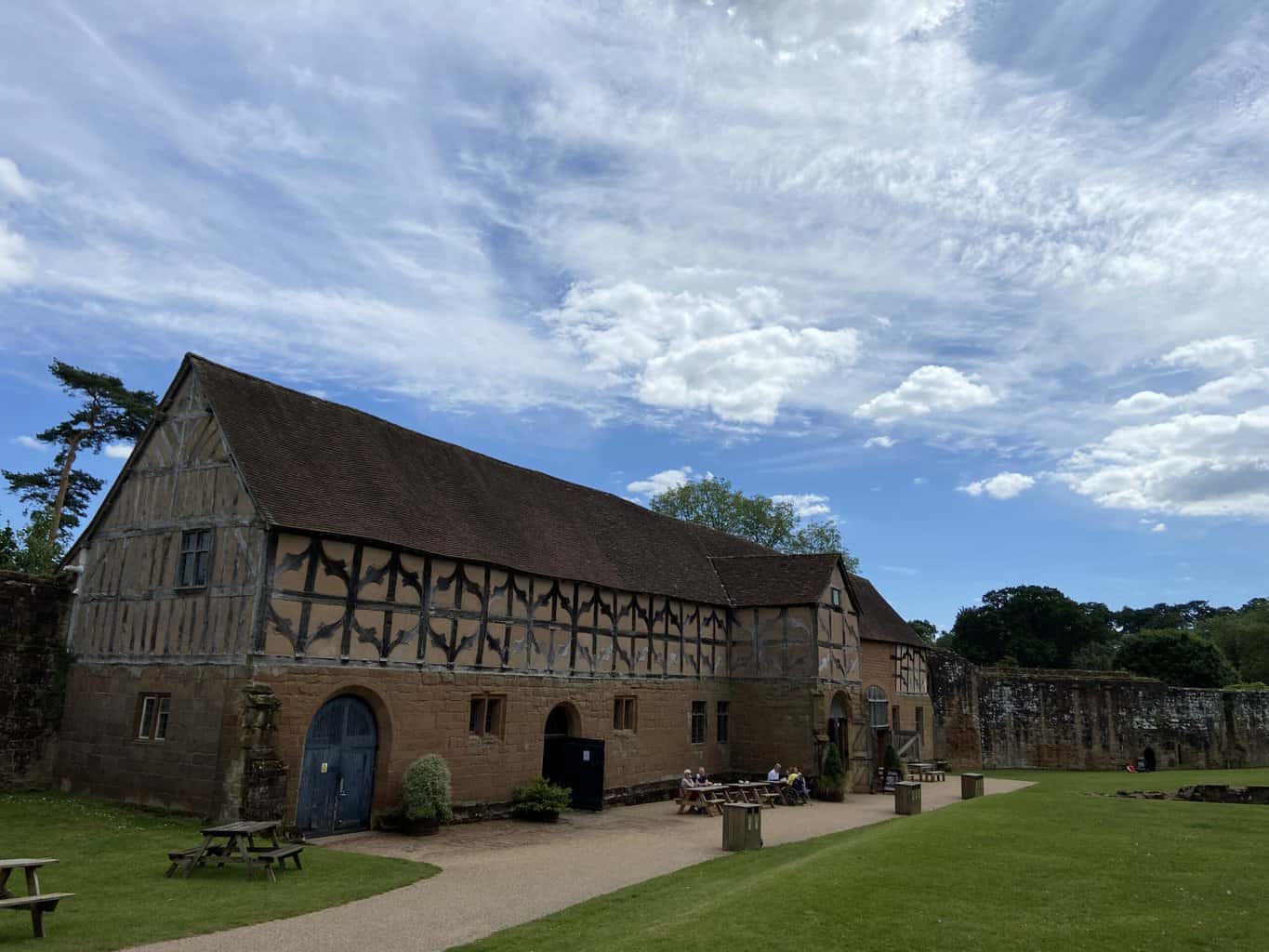
Geoffrey de Clinton first established a castle on the site, building most of the Norman keep in 1120. King John further fortified the keep in the early 13th century, before Simon de Montfort took charge; holding the castle from John in a six-month siege. John of Gaunt developed the castle into a palace during the 14th century, and it became a favourite among the kings of the later Middle Ages.
In 1563 Elizabeth I gifted Kenilworth to Robert Dudley, Earl of Leicester. Dudley extensively renovated the castle during his tenure, famously building an entire wing specifically for his queen. Elizabeth stayed there for 19 days of festivities in 1575, during which time many say Dudley attempted to woo the monarch with a lavish display of feasting and entertainment.
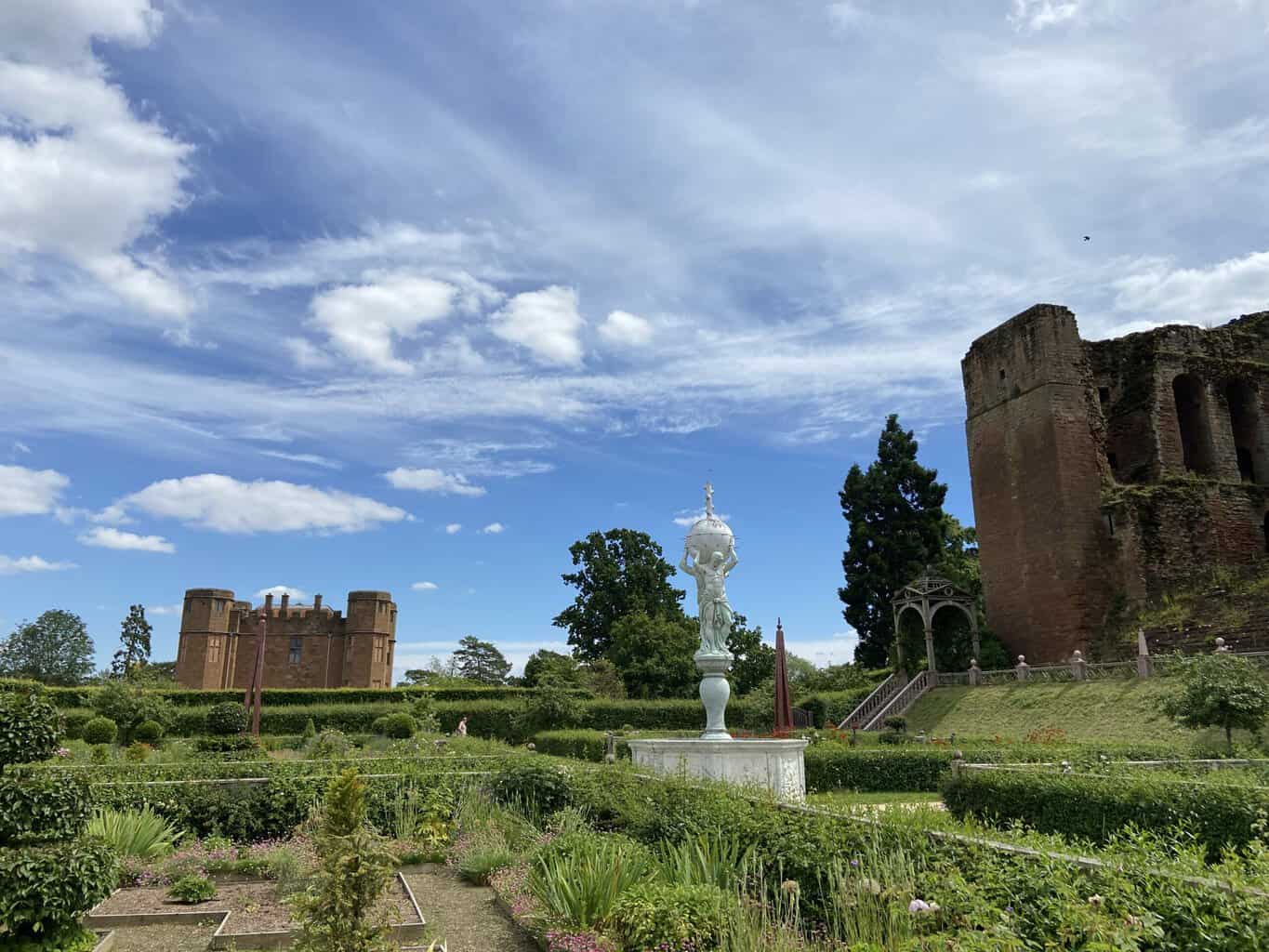
Even today, in its state of significant disrepair, it is still an impressive collection of buildings that sits handsomely in its surroundings.
We headed to another of Dudley’s rennovations on our arrival – Leicester’s Gatehouse. Far more well preserved than the main site, the gatehouse was converted into a house following the Civil War. Today it contains a varied collection of artefacts: from Elizabethan furniture and decoration to 20th-century furnishings. These more modern additions were part of the gatehouse’s interior up until it was vacated by the Siddeley family, the last custodians prior to the local council, and then English Heritage, taking control.
There’s plenty to see in this building alone. The 16th-century fireplace and surround in the Oak Room is mightily impressive, although not as striking as when it was installed, when it would have been painted red, blue and gold. On the first floor some of the rooms are presented as they would have looked in the 1930s when the building was inhabited, as well as a very interesting exhibition about John Davenport Siddeley. This Manchester-born engineering pioneer – who we’d never heard of – was at the forefront of Britain’s luxury car manufacturers in the early 20th century, before selling his company to Hawker aircraft and using the profits from the deal for charitable work, including the purchase of Kenilworth Castle.
The girls were far more interested in the games room next door, where they played Jenga, historical Guess Who? and raced through Europe in a snakes-and-ladders-style tabletop game.
Up another flight of steps is a real treasure – the tale of Robert Dudley and his complete devotion to Queen Elizabeth I. This exhibition details the timeline of Dudley and Elizabeth’s relationship, including descriptions of the lavish celebrations that were laid on for the monarch during her stays at the castle. There are also very touching letters between the two, and diary entries that show their devotion to one another. Even Elizabeth, renowned for her stoicism, seemed genuinely moved on the death of one of her favourites, and you get a clear sense that if circumstances were slightly changed we may have ended up with a very different-looking Tudor period and beyond.
We all felt quite emotional in this room. Elizabeth I has quite a reputation as a hard-nosed pragmatist who always put her country above anything else, but her affection for Dudley is clear to see and it’s hard not to feel a little bit sorry for her that she never got to do what her heart really wanted. We were also amused reading about Dudley’s over-the-top entertainment plans – he certainly went to town on the festivities, with lavish feasts and performances.
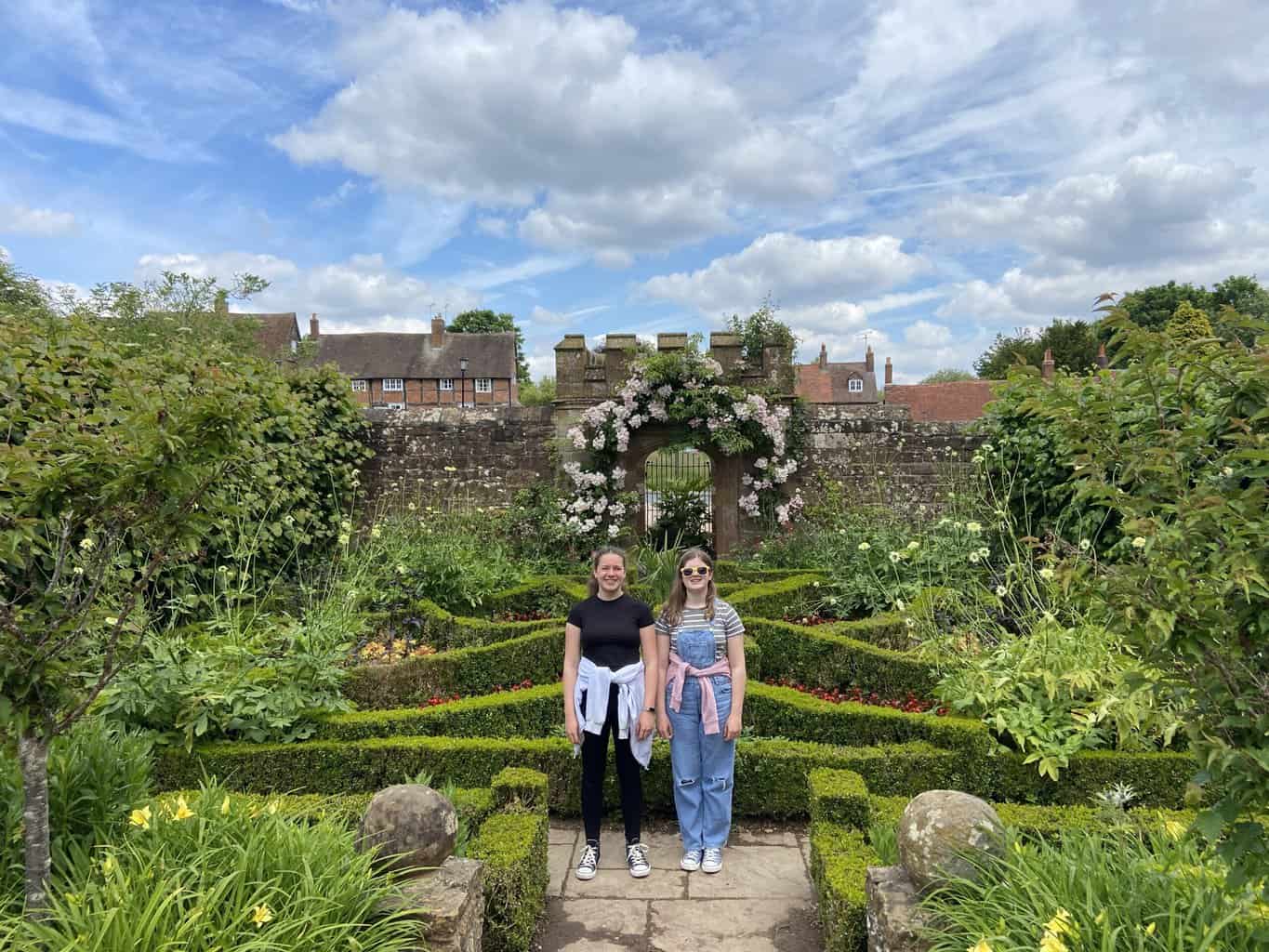
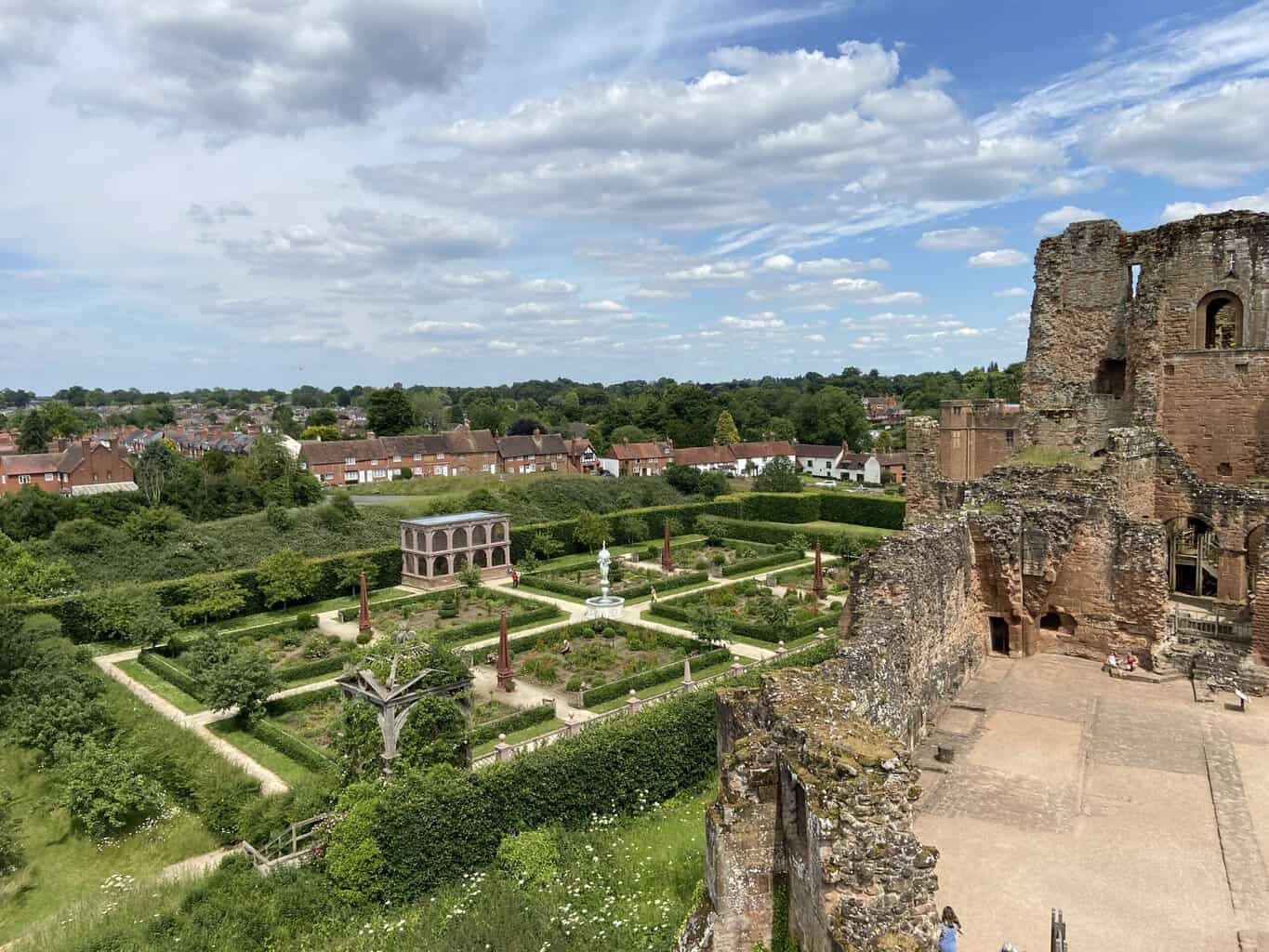
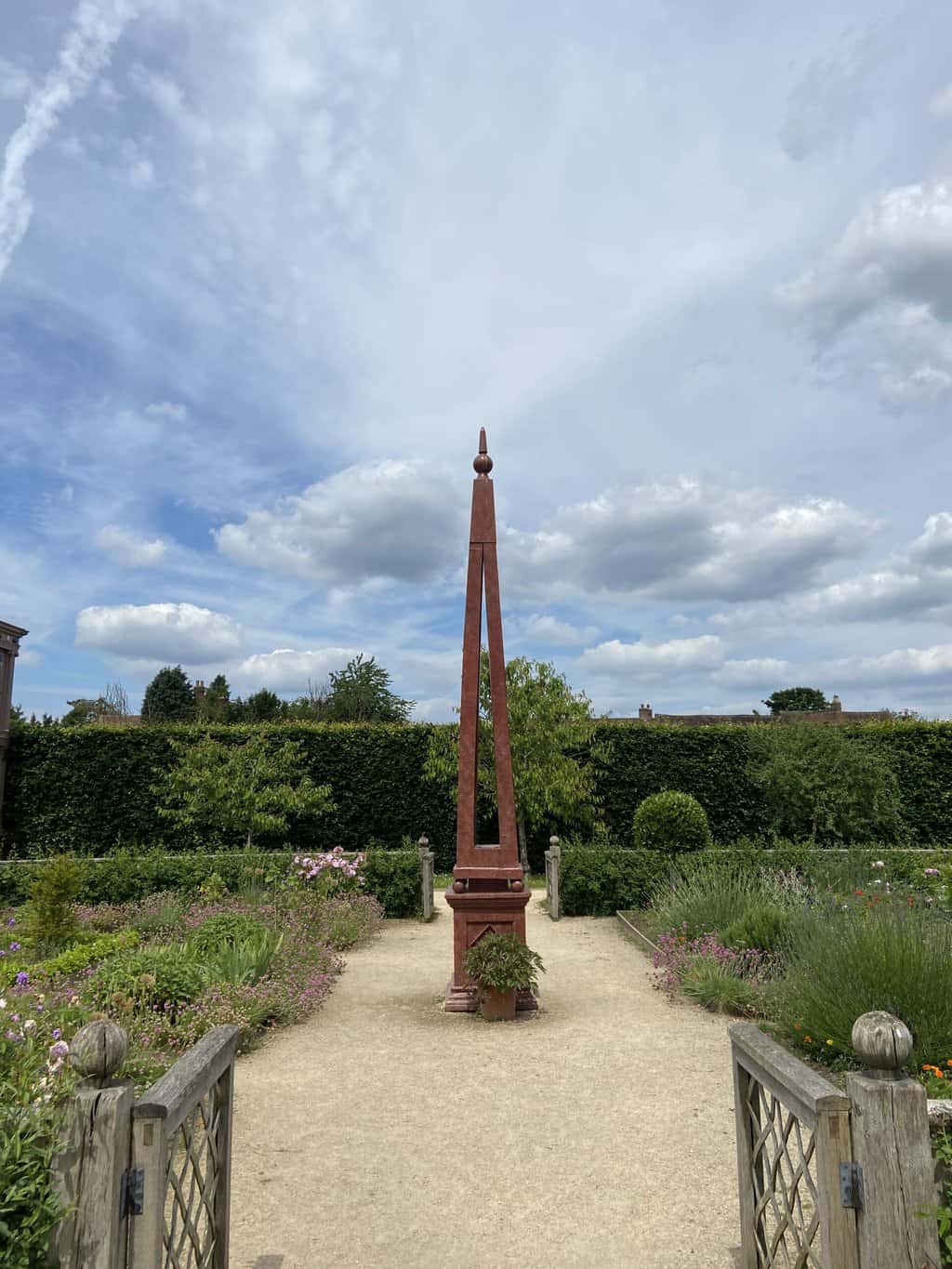
Next we headed to the garden, overlooked by the main castle. Beautifully arranged, it was perhaps a little bit past its best on our visit although we still found plenty of bees and butterflies among the fading flowers.
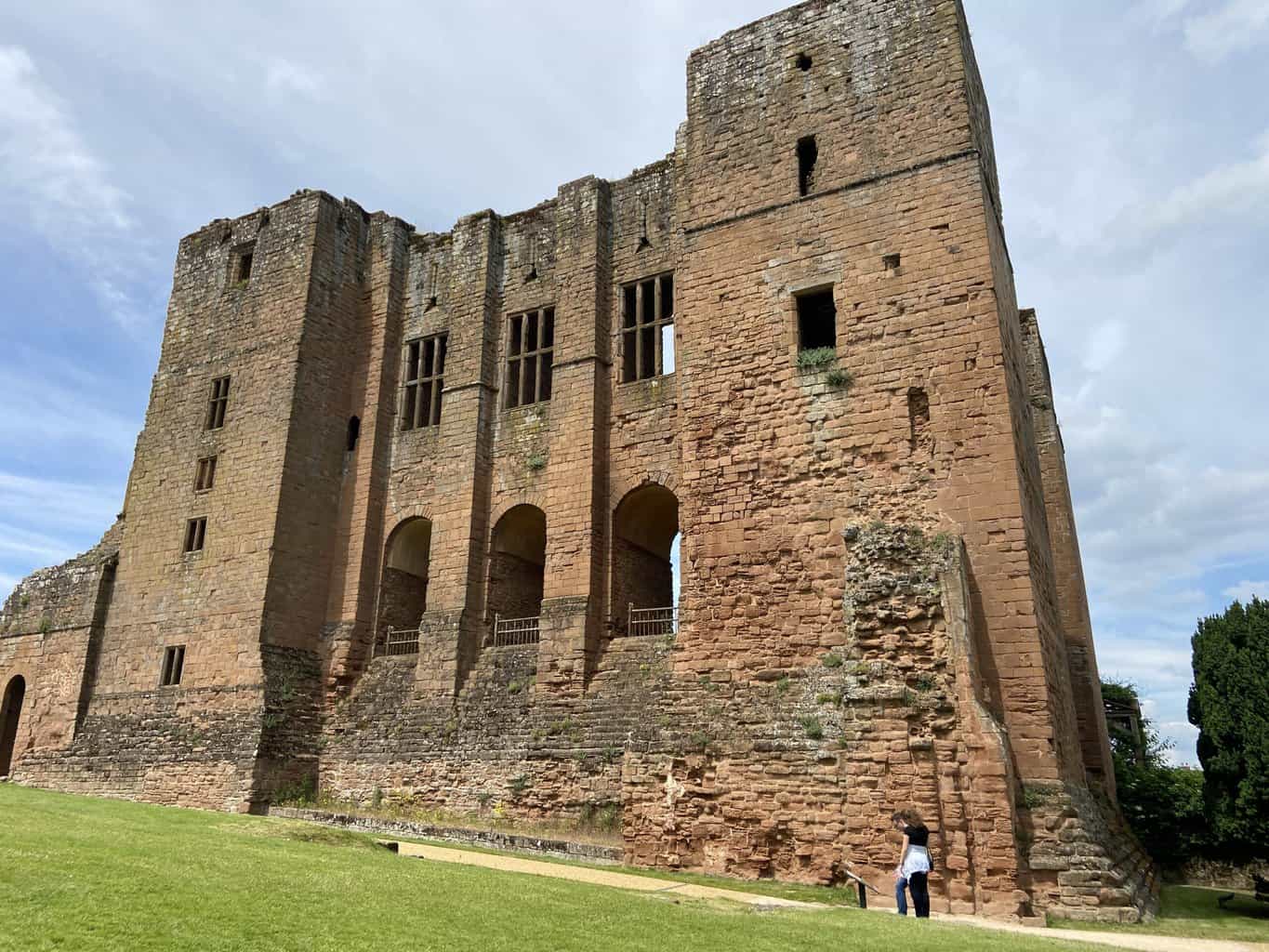
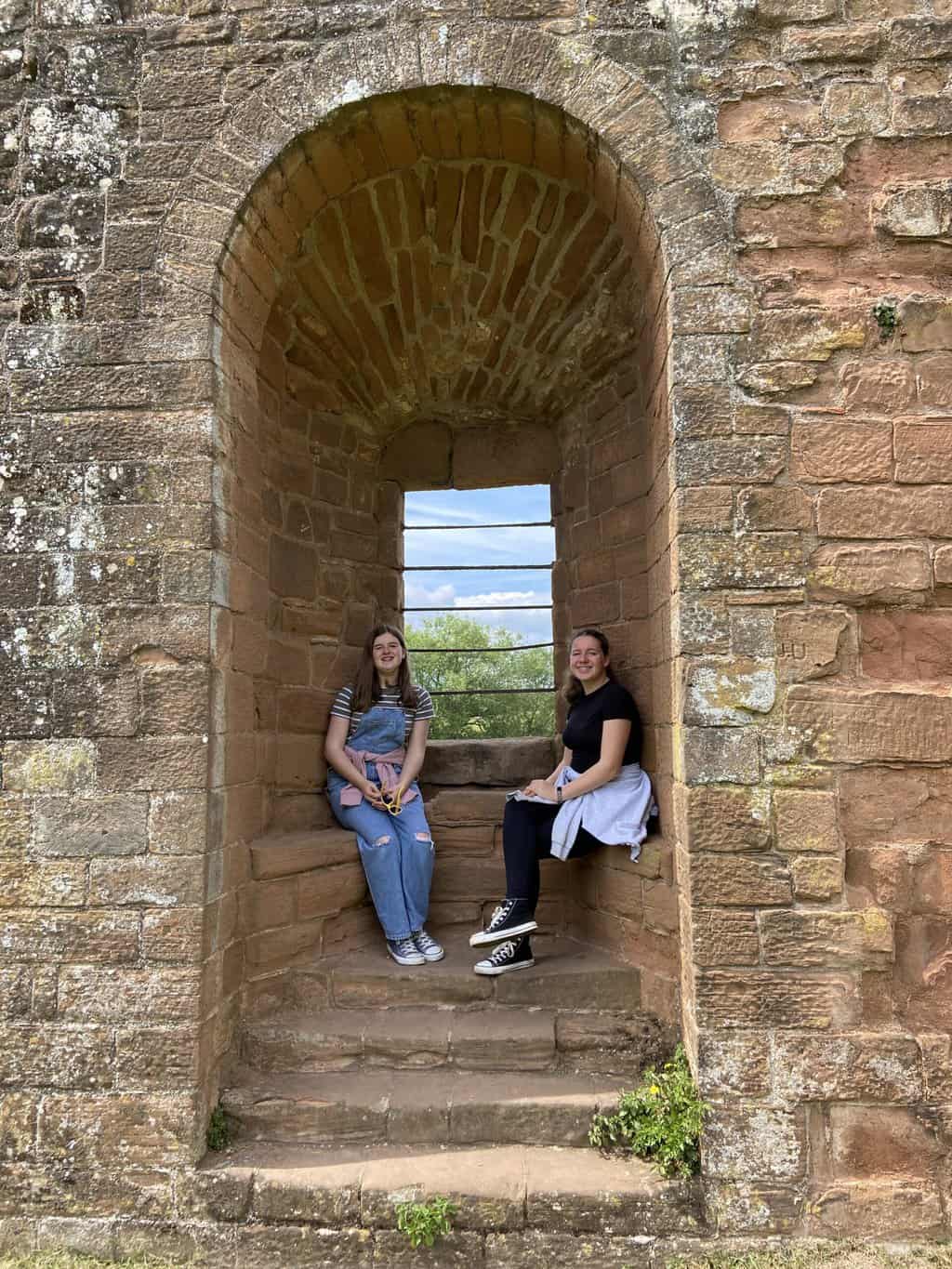
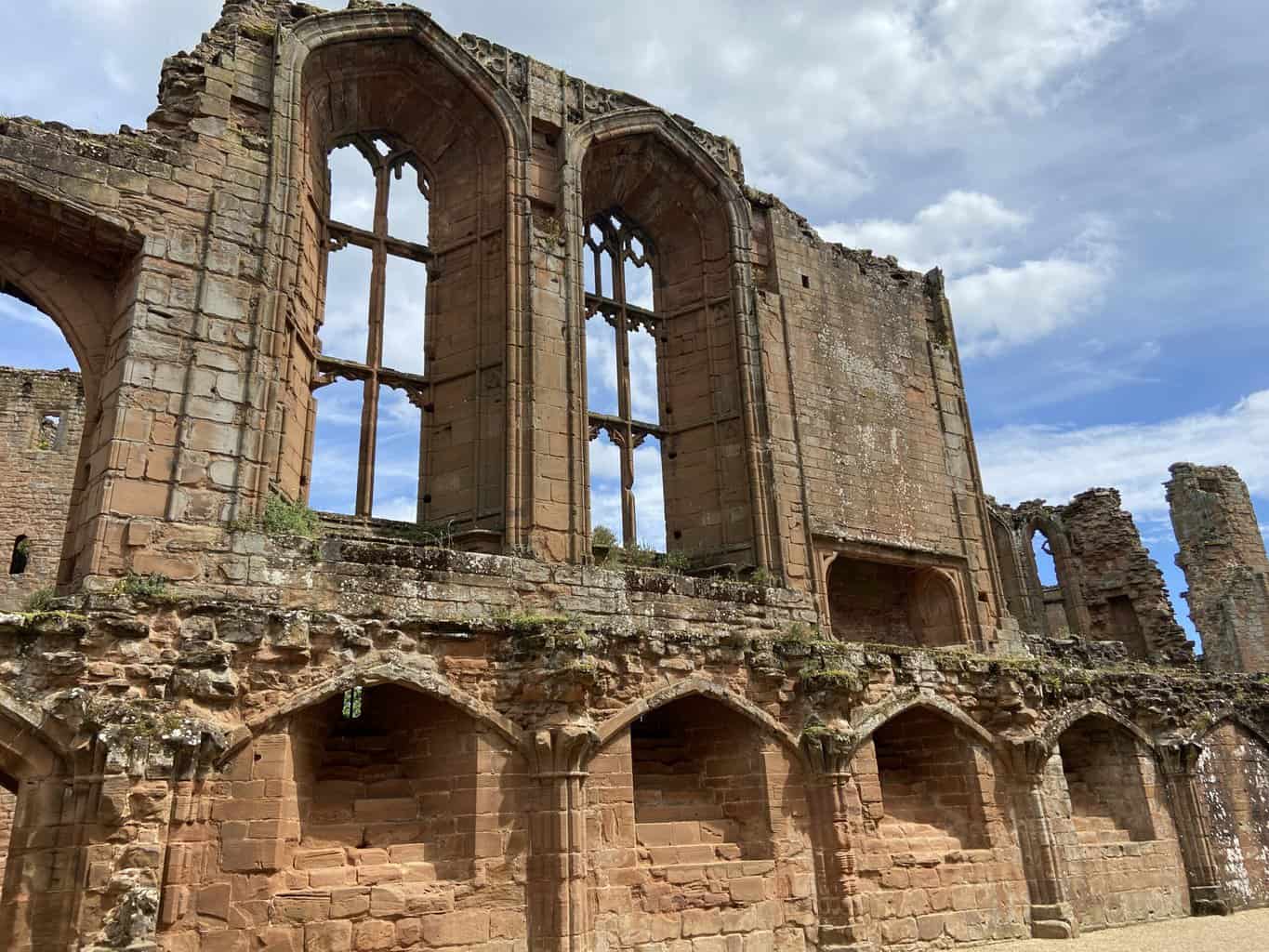
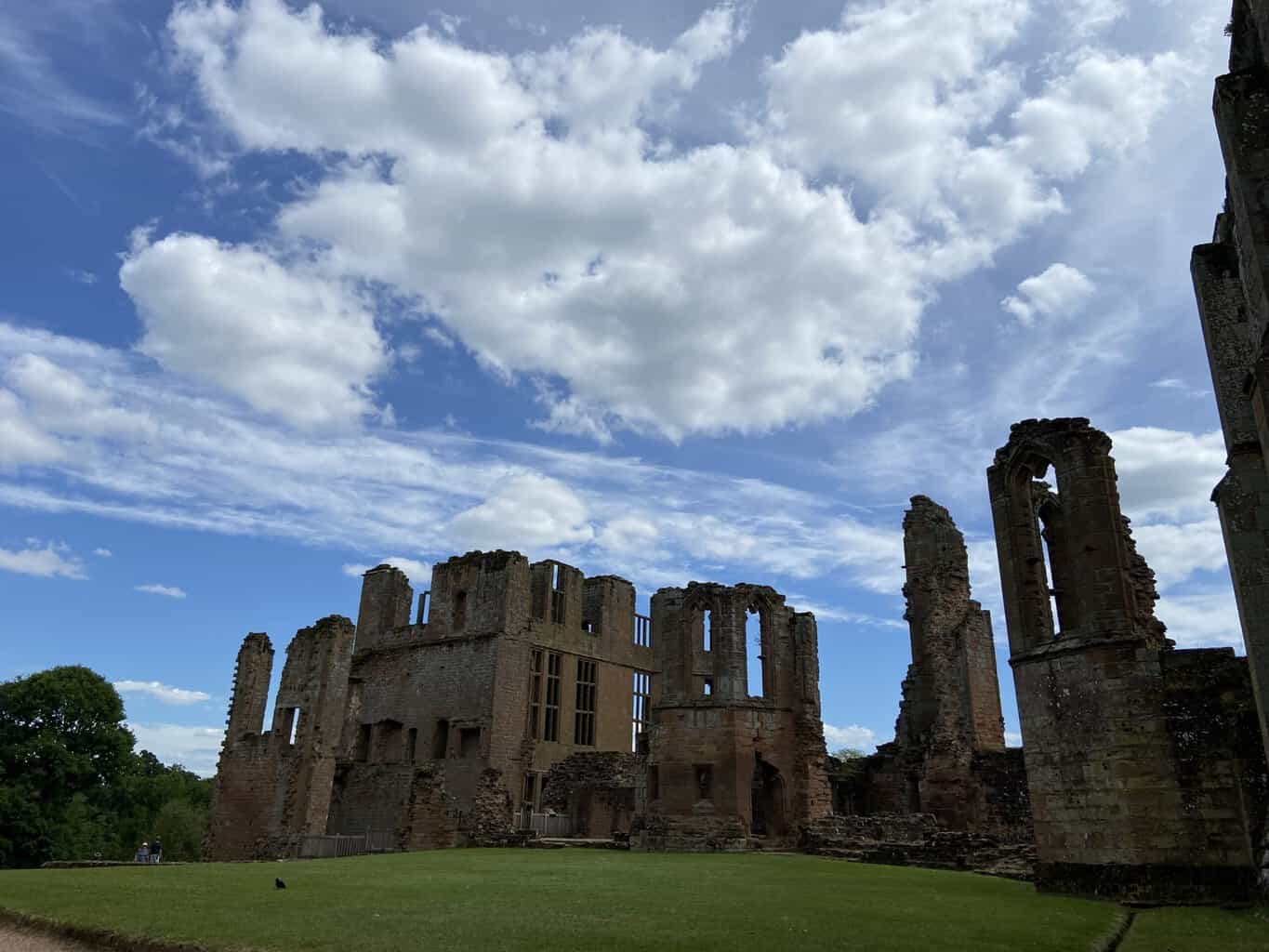
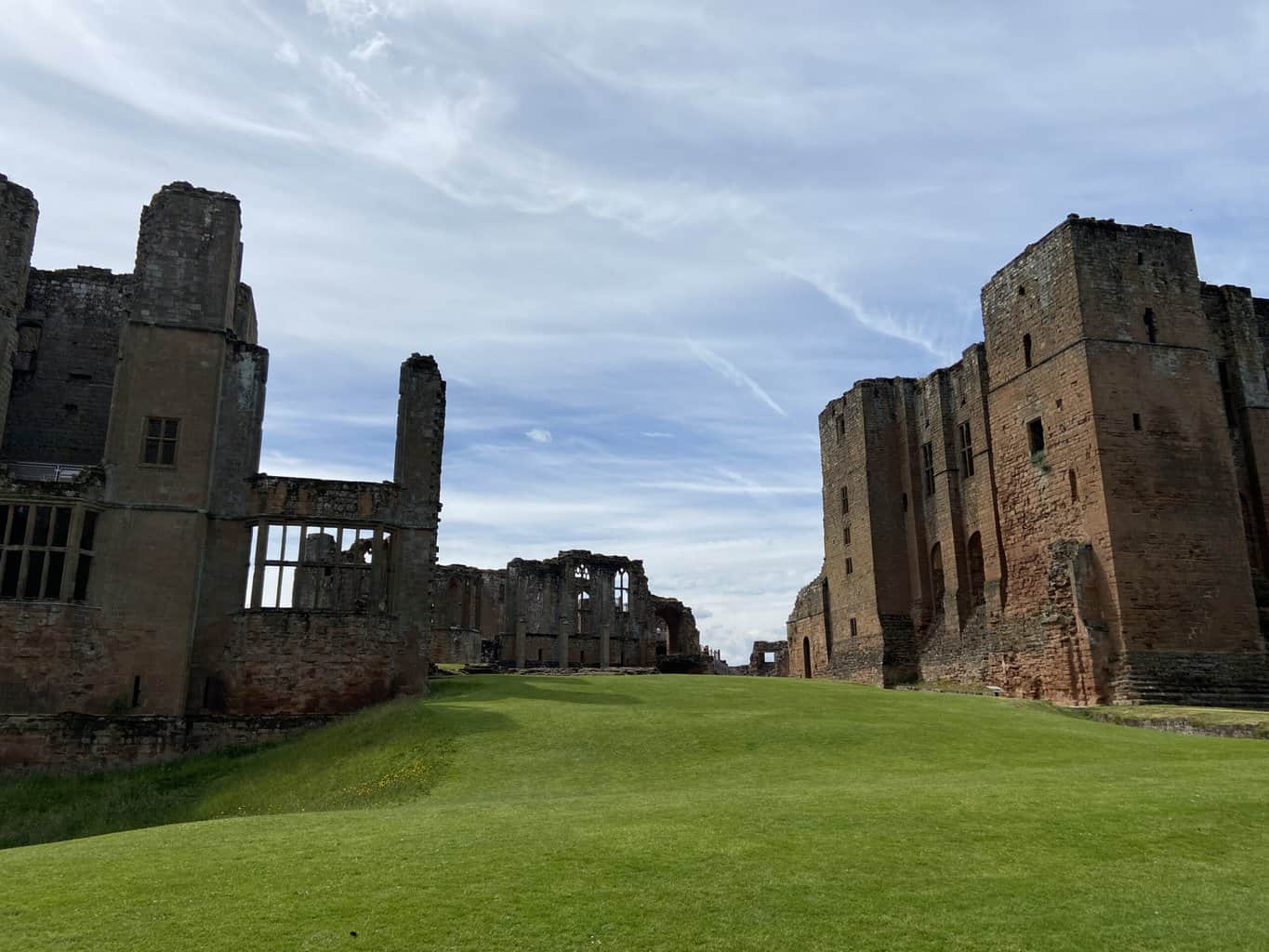
From here we did a lap of the outside of the castle before heading into the main building. It was lovely that we had so much freedom. There aren’t really any signs that say “don’t touch this” or “don’t go here” so you’re pretty much free to explore, and because the whole site is contained within castle walls the girls were able to run riot and explore at will while us parents stopped to read the signs and listen to the audio guide.
Despite being a ruin, it’s difficult not to get swept up in the grandeur and romance of the place. Just enough detail remains to get a real sense of how things might have looked 500 or so years ago. Elizabeth must have been very comfortable on her final visit in 1575 – “Leicester’s Building” as it is known (the purpose-built extension added by Dudley for his queen) is three storeys high and pretty well preserved; certainly enough to picture life as a Tudor noble.
We spent about three hours at Kenilworth – helped by the sunny weather. It would be a different visit in the rain as the main castle doesn’t have a huge amount of cover. We should also give a shout to the English Heritage staff that greeted us on arrival. They went out of their way to help us enjoy our visit. We’d definitely make a return when we’re back in the West Midlands, or on our way on another epic trek south.