We took a trip to Sheffield for a home-ed workshop at The National Videogame Museum. Three quarters of the family are really into games at a casual level (unless it’s Minecraft, then it gets serious!) – and even Susan is partial to a bit of Tetris, Dr Mario or Guitar Hero.
The museum, which has been in Sheffield since 2018, is home to a wealth of old tech, either in display cases (for the rarer items) or available to play. There’s a huge range of consoles, PCs and arcade machines all set up for you to have a go and everything is included in the entrance fee.
Before we got stuck into playing the games, we took part in a workshop run by Olivia, a member of the museum’s team. Using a free piece of software called Piskel, we were shown how to create and animate a sprite – a 2D collection of pixels that you see in a huge range of games old and new (think 80s versions of Super Mario, Mega Man or Sonic The Hedgehog).
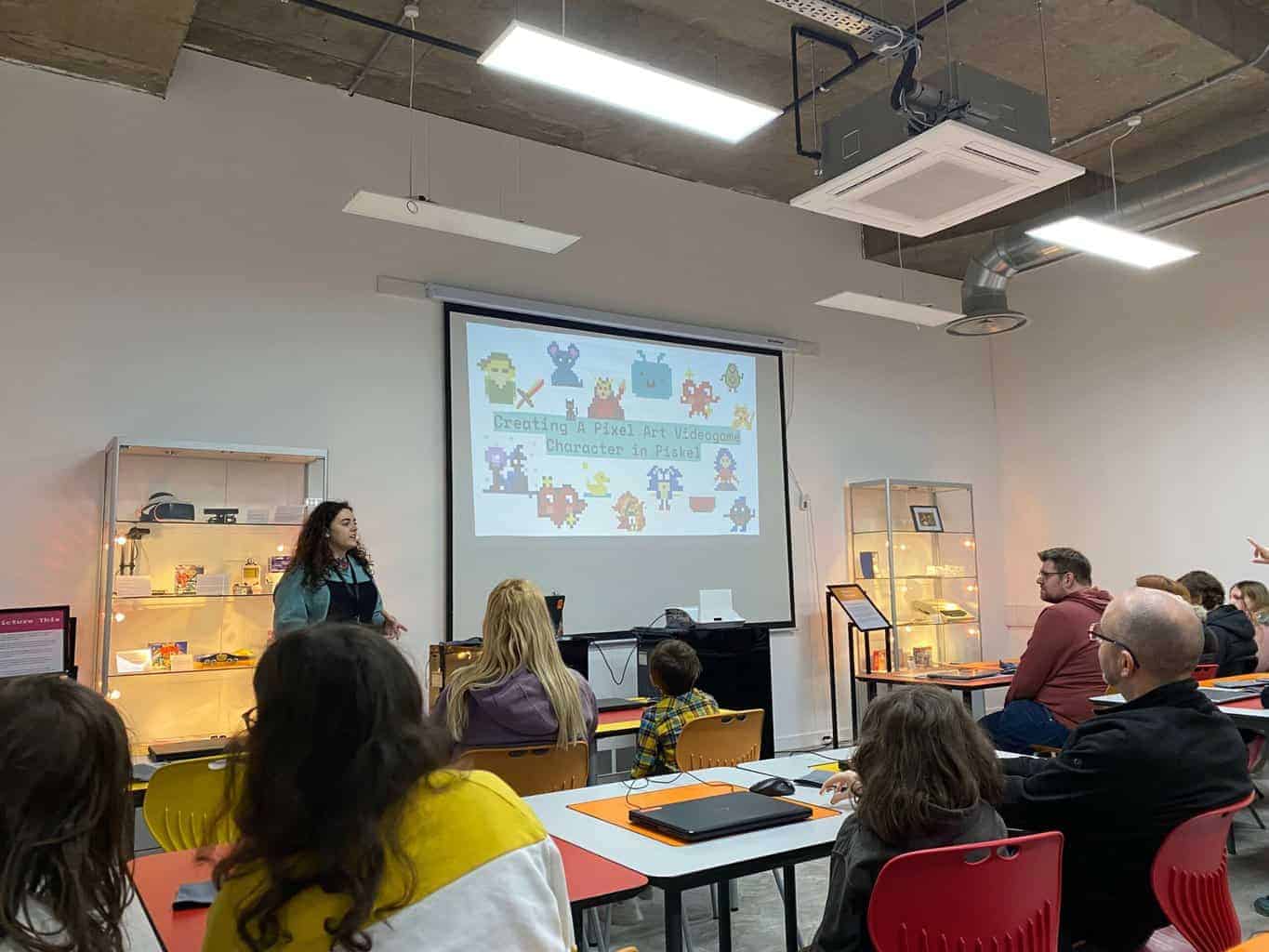
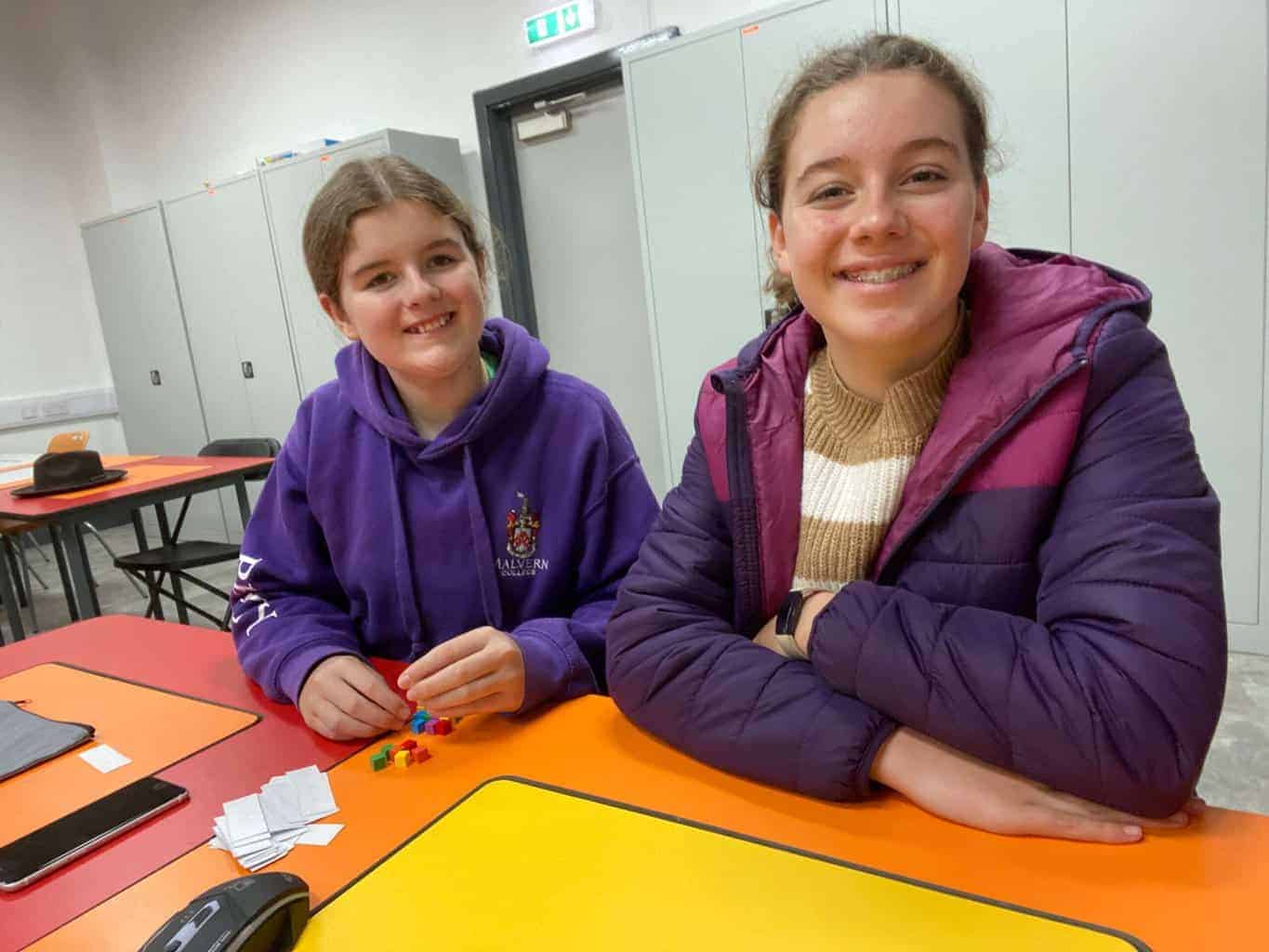
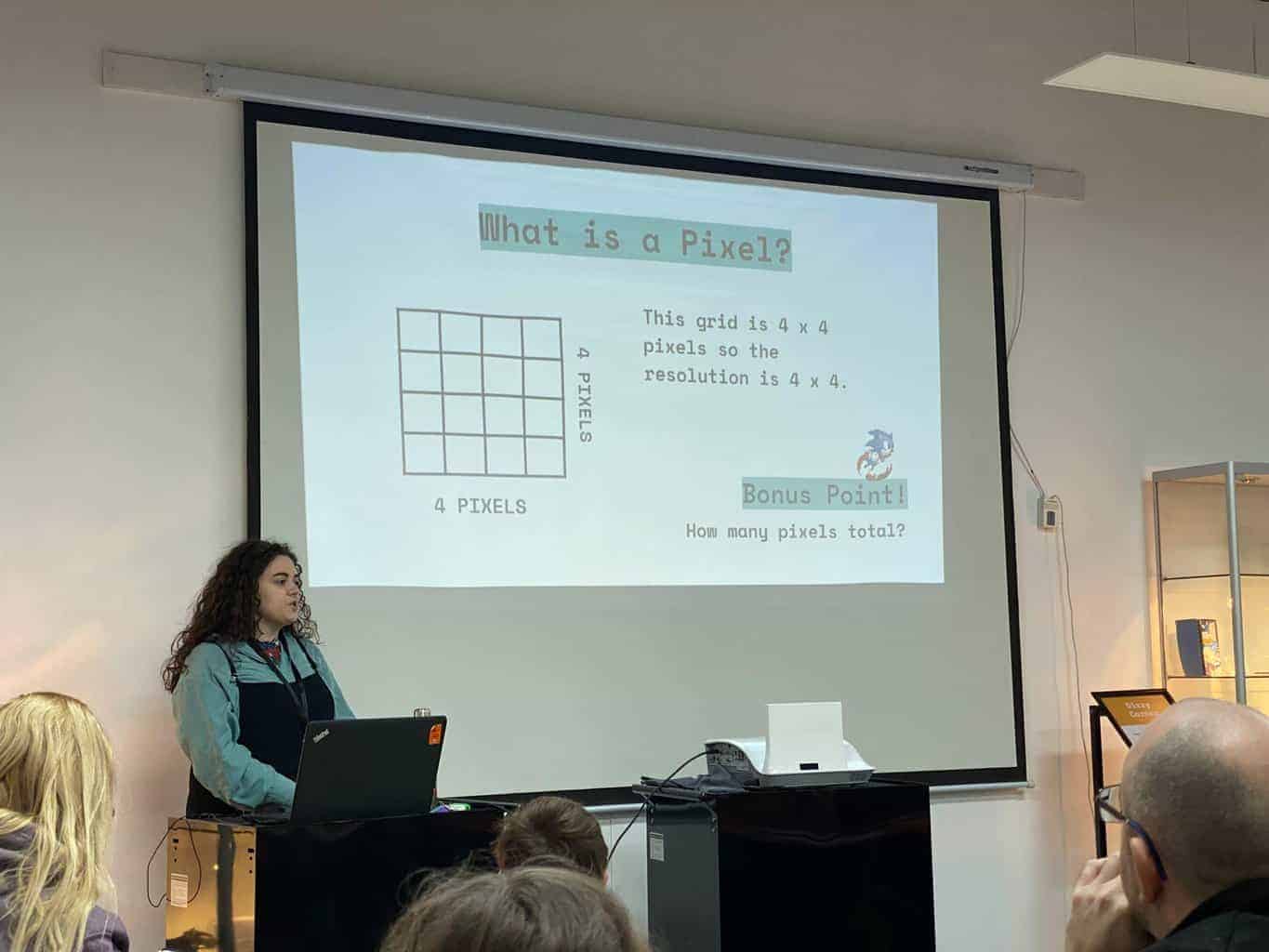

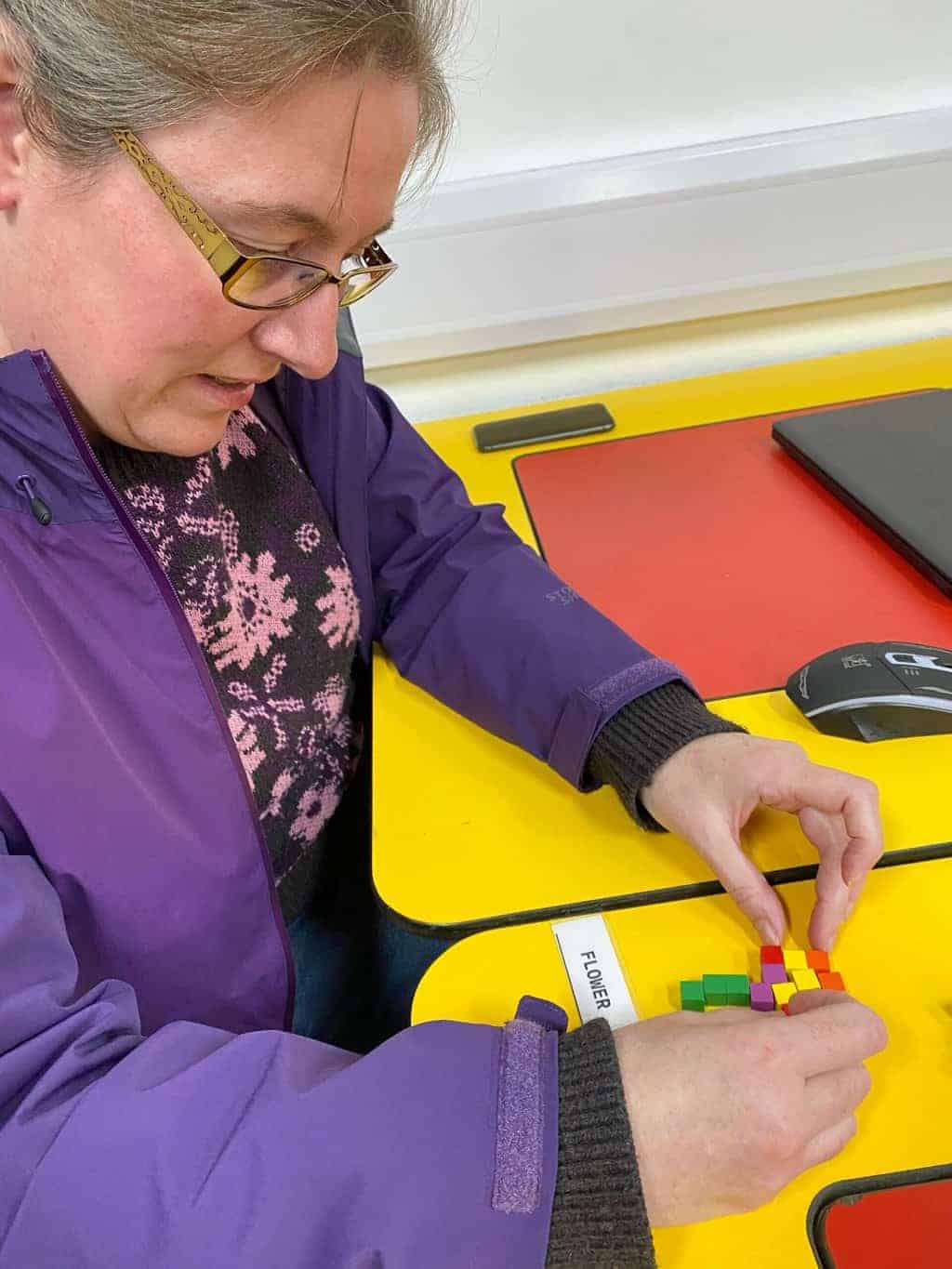
We first talked about the limitations of working with pixels – the fact that they are square and therefore difficult sometimes to use to represent certain shapes. We were then given a task using coloured cubes, to try to turn them into a recognisable item picked from some flashcards. Things such as a flower and a bowtie were relatively straightforward – a TV was not!
Next we moved on to Piskel. After a short tutorial from Olivia, we were let loose to create our characters. Once we were done, we were able to save them as .piskel files (which can be used in other programs, such as Scratch), animated GIF files (see below), and as a sprite sheet where we could see each frame that we had created for our characters.




After the workshop we were free to run riot in the games room. The number of people booked onto this session meant there were more than enough machines to go around, so we were never left waiting for long to get on a game that took our fancy. I immediately decided to relive my youth by trying Wipeout on PlayStation; quickly remembering that it took a lot of practice to get anywhere near decent at it.
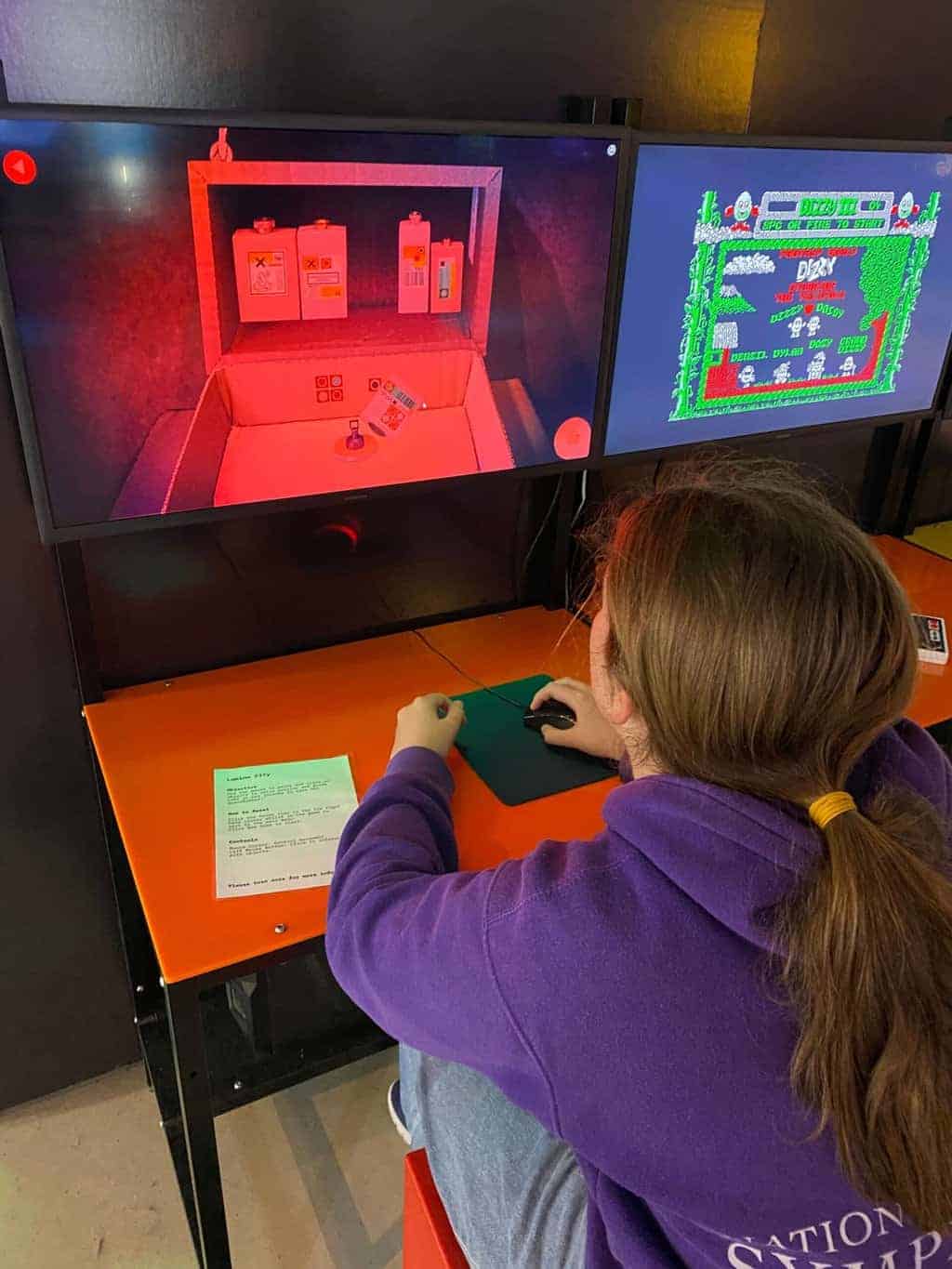
Peggy took a fancy to a game called Lumino City (available on PC and Mac, or as an iOS or Android app). It’s what us parents would probably remember as a point-and-click adventure (like The Secret of Monkey Island). It’s an absolutely beautiful-looking game where a young girl called Lume must work her way through an imaginative world, solving puzzles as she goes. It really captured Peggy’s imagination – so much so that we bought it on Steam the minute we got home (it was on sale for £2.33) and she’s been playing it ever since.

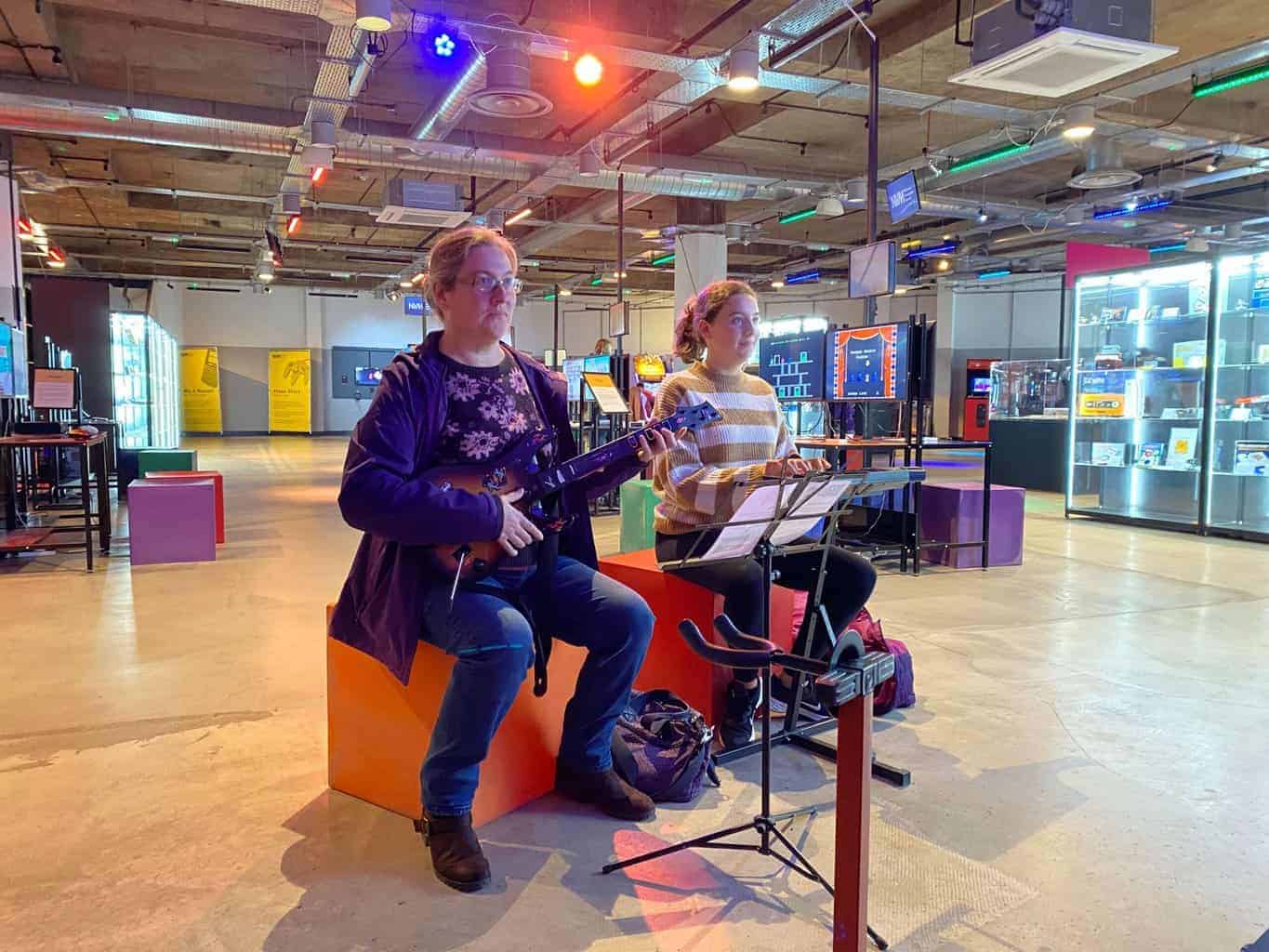
Aggie and Susan were a bit more undecided on what to play. Aggie beat me a couple of times on Just Dance, while Susan had a crack at Sonic & SEGA All-Stars Racing Arcade (before she started to get motion sickness!). Then the two of them combined forces to play Rock Band.
The museum is open from 1pm to 4pm on Thursdays and Fridays, and from 10am-1pm and 2pm-5pm at weekends. During school holidays in the Sheffield area, it opens every day. Booking is advised, and it looks like you get three hours of play for your money. If you have a chance to get on one of the education sessions like we did, then we’d highly recommend it. It was a really good hour of just messing about with animation and seeing what your imagination could come up with.